 KavarClean®
Cleaning, binding and safely removing chromate-containing dust on hot components
KavarClean® and KavarWipe® by Kavarmat® reduce chromium(VI) compounds on chromium-alloyed hot components, bind respirable dust directly during application and make maintenance, repair and remediation manageable wherever substitution of the insulation material is not (yet) possible or is planned only for a later date.
Chromates form where basic oxides meet chromium
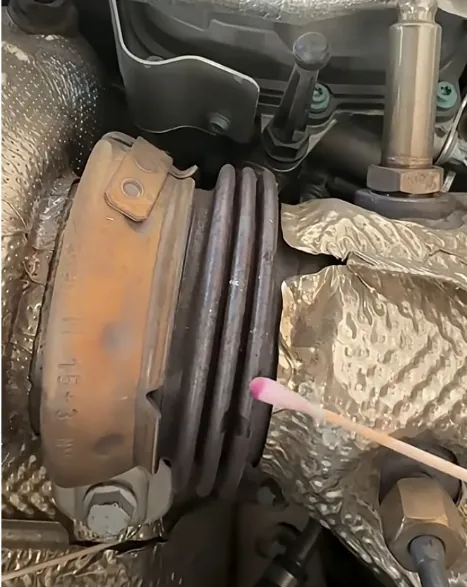
Almost all insulation materials used in vehicle and drive technology contain 15–20% basic oxides, and materials for particularly high temperatures even contain 40–60% calcium oxide. When these insulation materials lie on a chromium-alloyed hot component as a heat shield, mat or tape, calcium oxide and sodium oxide react at elevated operating temperatures, in some cases from as low as 200 °C, with oxygen, humidity and the chromium(III) compounds of the passive layer (Cr₂O₃) to form calcium chromate and sodium chromate (CaCrO₄ | Na₂CrO₄).
A stainless steel hot component contains no chromium(VI) in its original state. Chromate dust always has an external source, the insulation material containing calcium oxide and/or sodium oxide. Gaskets and assembly pastes containing calcium oxide trigger the same process, so flanges, connecting bolts and nuts are affected as well.
basic oxides in almost all insulation materials used in vehicle technology (15–20%)
calcium oxide in materials for particularly high temperatures (40–60%)
from this temperature, chromate formation can already begin in some cases
retention of the exposure register by the employer
Once formed, chromium(VI) compounds do not break down again
During operation, the oxides react increasingly with the thermally stressed passive layer. The melting point of the resulting chromates lies far above the operating temperature. It is a cycle caused by a systemic design flaw of a globally operating industry.
For engine compartments this results in a twofold hazard. Chromates form directly between the hot component and the insulation material and are released by the heat flow. At the same time, fibers detach from heat shields that are not fully enclosed, settle on uninsulated chromium-alloyed hot components and form new carcinogenic compounds there in an uncontrolled manner.
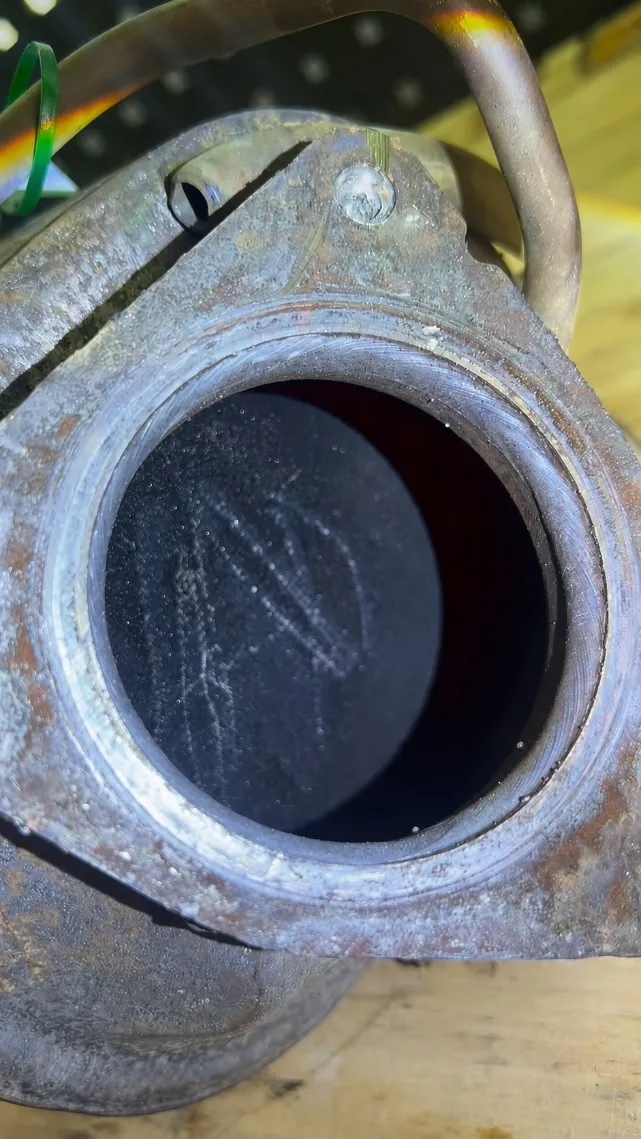
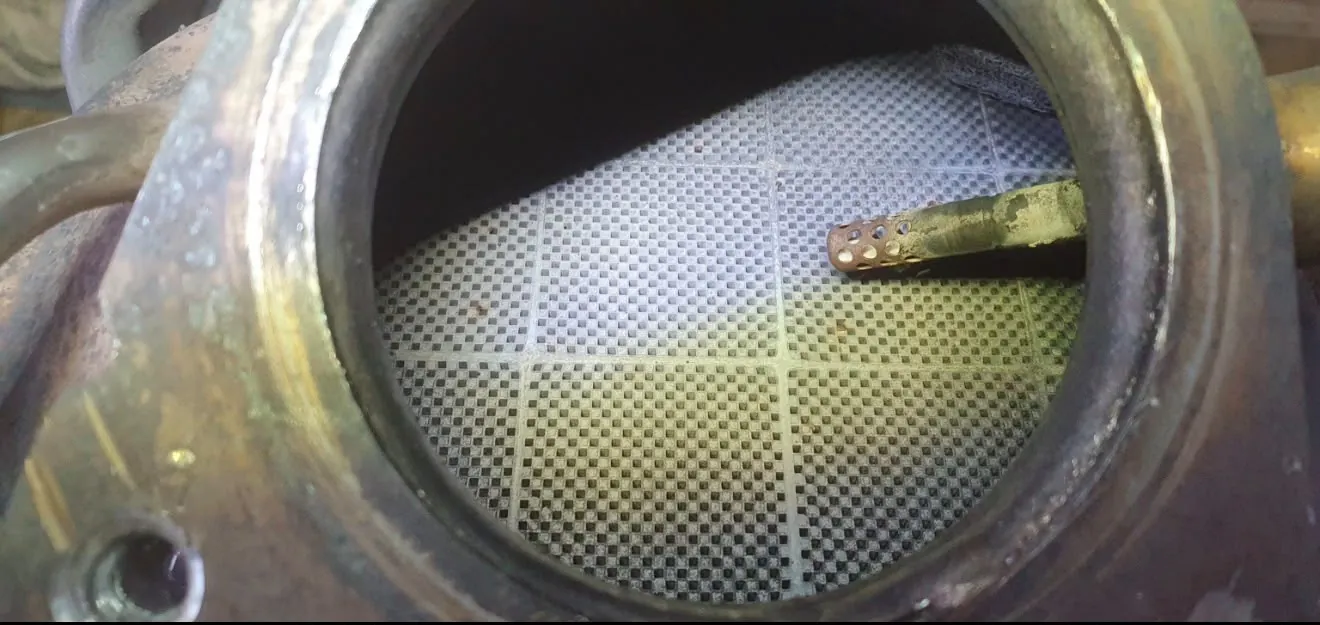
When fully formed, chromates can be recognized as yellowish or greenish-yellow deposits, particularly on stainless steel. However, they may already have formed before they take on their typical color, as whitish, respirable dust that is easily mistaken for ordinary dirt.
Carcinogenic, skin-sensitizing, very toxic to aquatic life
The released chromium(VI) compounds, hereinafter referred to as chromates, are clearly classified as hazardous according to GESTIS.
- H350 May cause cancer.
- H317 May cause an allergic skin reaction.
- H410 Very toxic to aquatic life with long-lasting effects.
The German MAK and BAT Values List classifies these substances as carcinogenic (category 1), germ cell mutagenic (category 2), absorbable through the skin (H) and contact allergenic (Sh). For substances in categories 1 and 2, it specifies no concentration that is still considered safe.
Where exposure cannot be ruled out
A technical publication by the German statutory accident insurer “BG Verkehr” lists in particular:
- Work on industrial insulation in power plants and biogas plants
- Work on the insulation of thermally stressed components in engine rooms at shipyards
- Work on the insulation of thermally stressed components on car engines in automotive workshops
- Work on the insulation of thermally stressed components in aviation, e.g. on turbines
Chromate dust must not be spread, stirred up, blown off or treated with a wire brush.
Developed so that mechanics and drivers can implement the protective measures easily
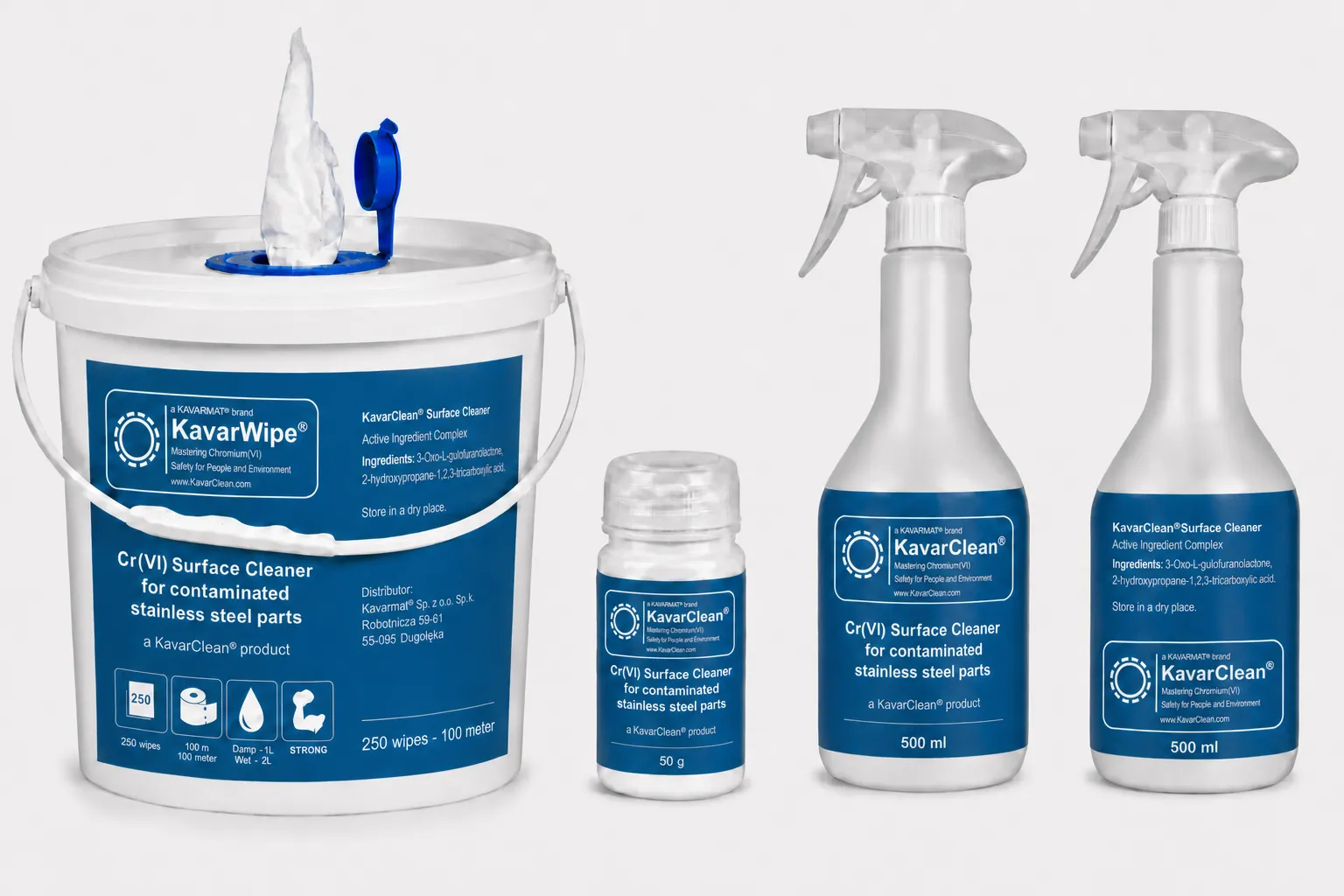
The active ingredient system, consisting of an organic reducing agent and a complexing acid, reduces chromium(VI) compounds to a considerable extent to chromium(III) compounds and enables their removal. The damp KavarWipe® cloths bind the dust during application, without spray bursts and without spray shadows.
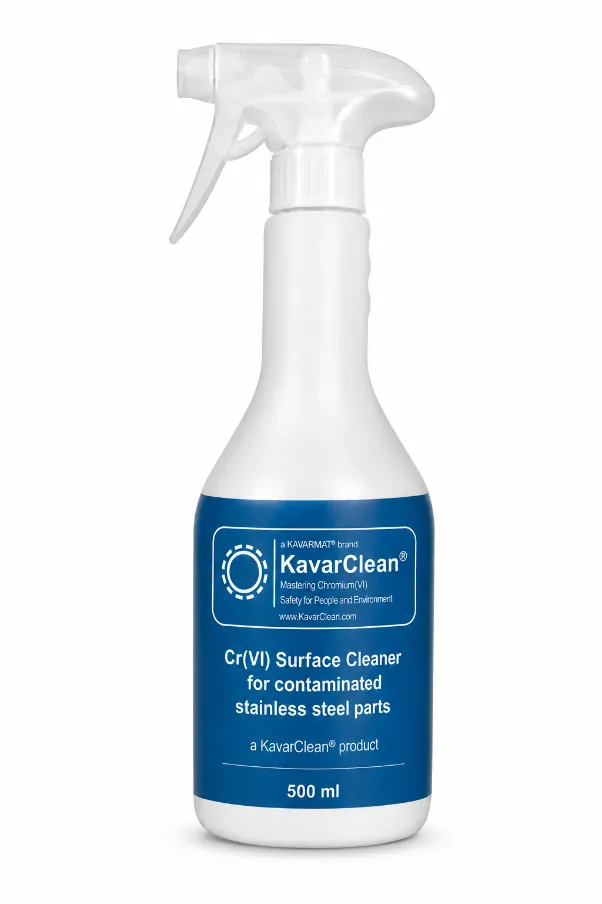
KavarClean®Redox Powder
Powder for mixing yourself. One 50 g bottle makes two ready-to-use 500 ml spray bottles.
View application →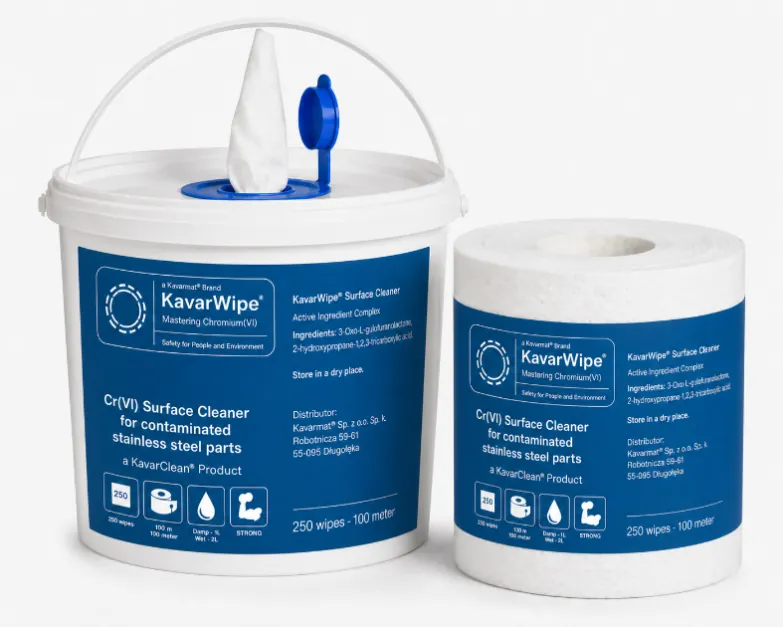
KavarWipe®
2 l of water, 250 g of KavarClean® powder and one roll make 250 ready-to-use decontamination cloths.
View application →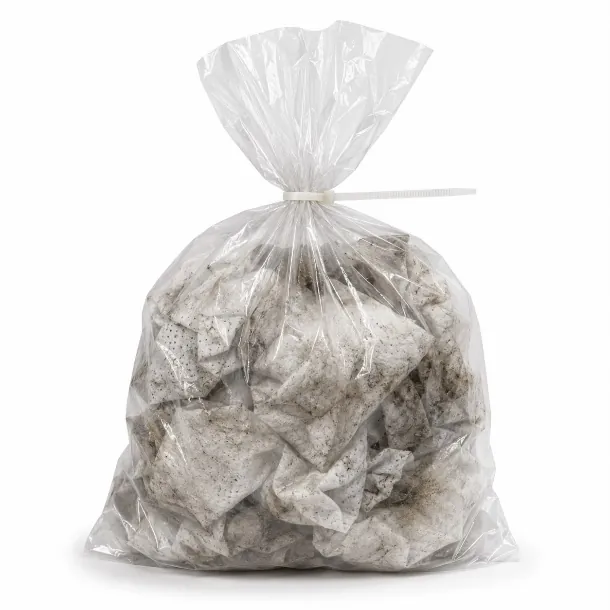
Responsibility until the very end
Used cloths are returned to Kavarmat® in the enclosed bag and the original carton for proper disposal.
Take-back concept →Application on a removed component in the black area
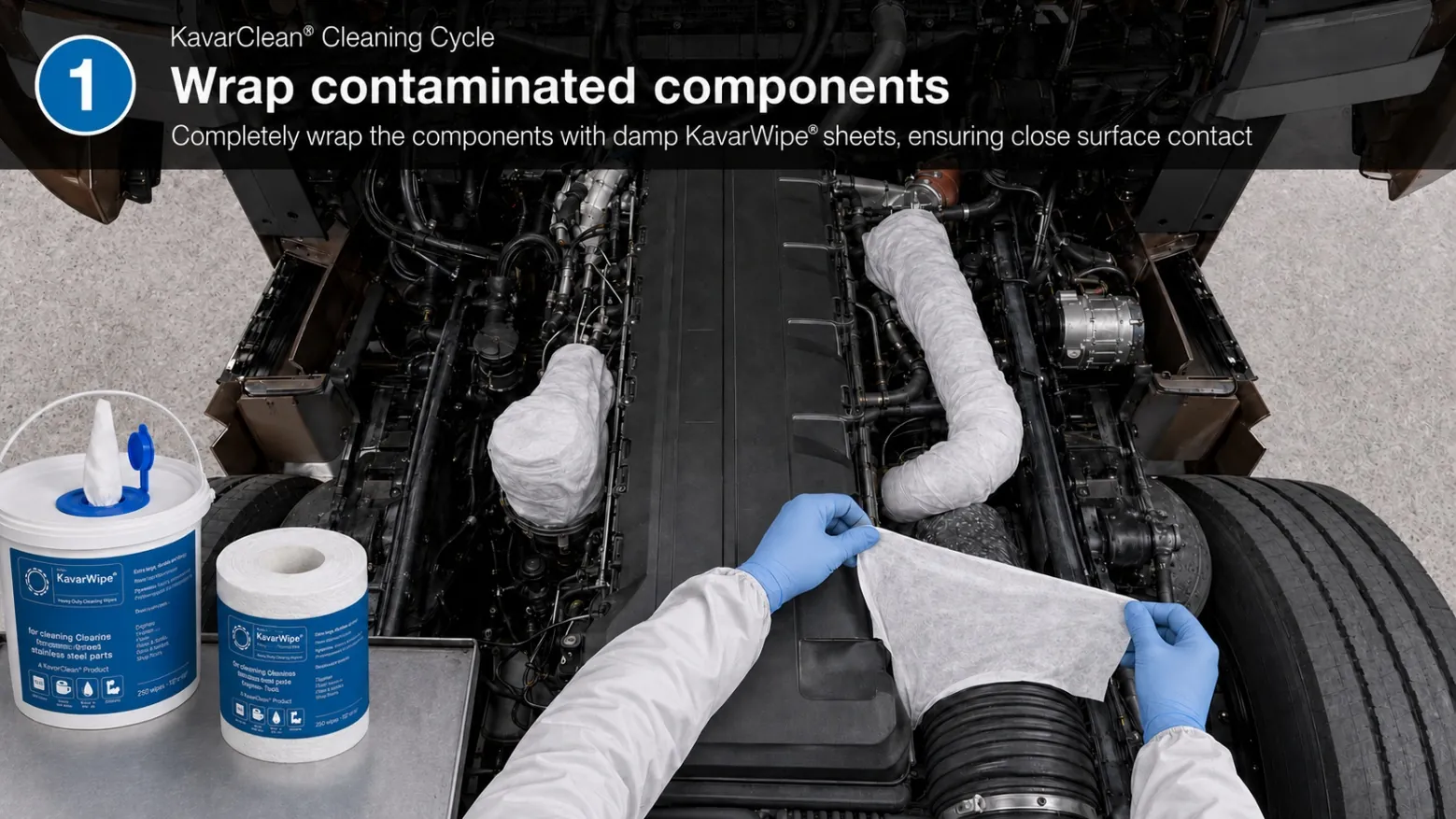
In 18 steps, the film shows the procedure with material airlock and personnel airlock: covering the floor, workbench and personnel airlock, bringing the covered component in through the material airlock, placing damp KavarWipe® cloths on bolts and suspect surfaces, wrapping the cloths together with the absorbent underlay, re-spraying the return bag in the material airlock and disposing of protective suits and gloves through the disposal chute.
The film is captioned in English.
Why we call our products cleaners
Colloquially, such agents are called chromium(VI) neutralizers. A neutralization in the chemical sense does not take place, and a lasting effect is ruled out as long as the calcium-containing insulation material remains on the component. Under operating conditions, chromium(VI) forms again. Only cleaning and replacement have a lasting effect.
From the workshop to the CHP engine block
You can only prevent chromium(VI) with an insulation material free of basic oxides
KavarClean® masters existing chromates. To prevent new ones from forming, the insulation containing calcium oxide and sodium oxide must be replaced. For this purpose, Kavarmat® manufactures heat protection and insulation mattresses from VitroSilK®, the glass fiber of Cleansulation®Technology, which is free of calcium and sodium oxides and can be used up to above 750 °C.
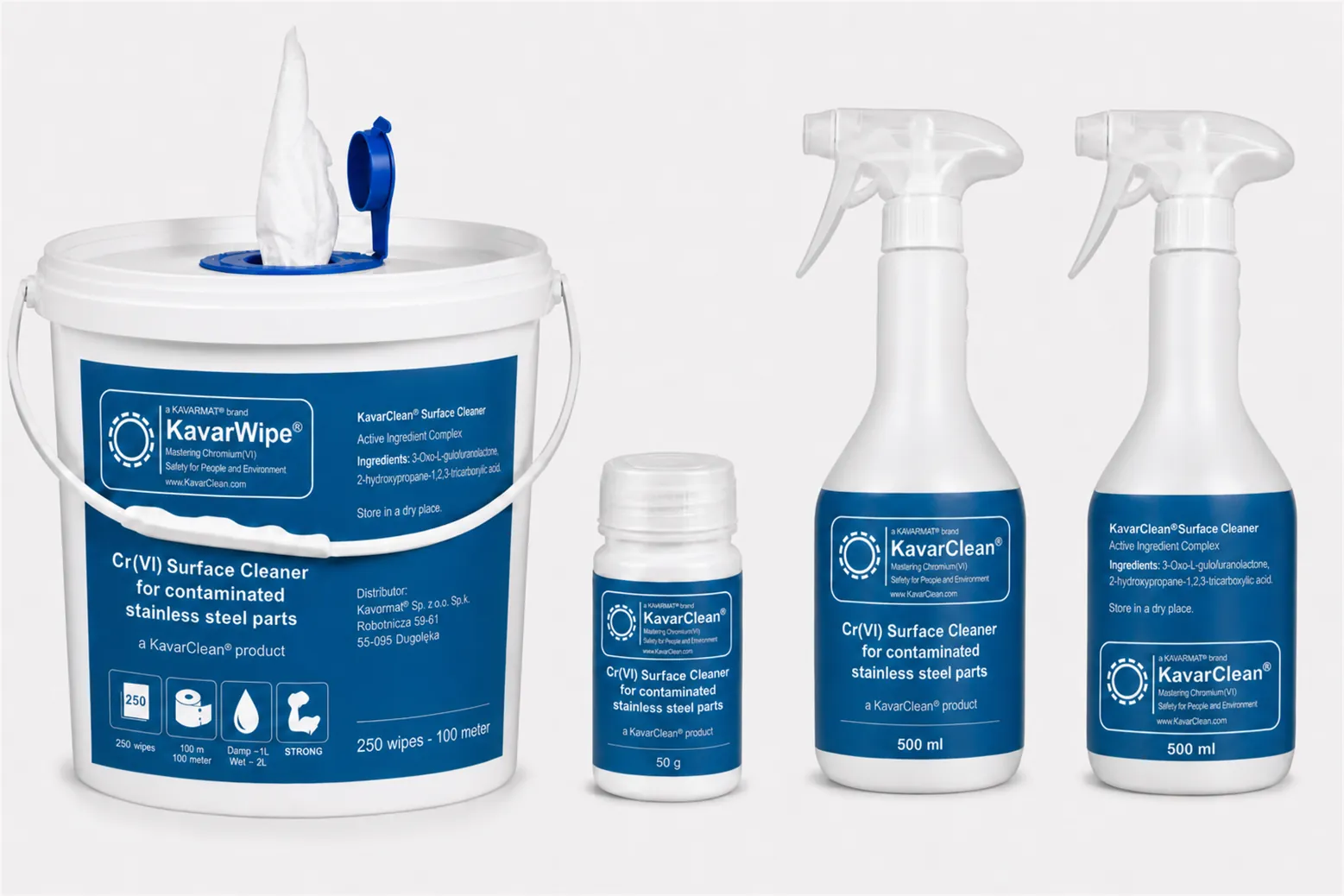
Order all KavarClean® and KavarWipe® products directly
Powder, spray sets, cloth systems, refill packs and the wipe tests and rapid tests from SEEF B.V. are available at Kavar.Shop.